Ramsey County Mental Health Court

It doesn’t take a psychiatrist to see that mental health issues are a contributing factor behind so many reported crime incidents. It stands to reason that any effective judicial-correctional system must address a perpetrator’s mental problems in order to successfully deter their future criminal activity and protect the public. This is the fundamental premise of the Ramsey County Mental Health Court (RHMHC).

The RCMHC came into existence in 2005, “when it became increasingly clear that persons with mental illness and co-occurring mental illness and substance abuse disorders were in need of more specialized and individualized jurisprudential approaches. “ The target population of the RCMHC is adult Ramsey County residents who have been charged with a crime that is related to a serious mental illness. Participation in the program is voluntary, with defendants being offered community mental health alternatives to “purely criminal sanction.” The program has benefited significantly from interns and volunteers, particularly attorneys from the firm of Briggs & Morgan.

As Ramsey County District Judge William Leary III recently told Minnesota Lawyer, “The program is doing extremely well [and] has met our expectations.” According to its website, “RCMHC graduates are less likely to be charged with a new offense, less likely to be convicted of a new offense, and less likely to spend time in jail than those in a comparison group of similarly situated offenders who did not participate in RCMHC.” Their recent press release states that only 15% percent of graduates had new charges after one year, compared with 60% of the comparison group. RCMHC is funded through the end of this year by the Minnesota Department of Human Services, Adult Mental Health Division. Unfortunately, Minnesota Lawyer reports that funding and continuation after that point are currently in jeopardy, unless new funding can be secured before that time. This would be a loss for our community, given RCMHC’s proven effectiveness in rehabilitating offenders and reducing recidivism.

Please see the RCMHC’s website for all this information and so much more.

 

Professional Reinstatement Following Disbarment

This article in the ABA Journal warns that it is difficult, indeed unlikely, for disbarred attorneys to gain their licenses back upon reapplication, with some states making this quest so impossible as get them dubbed “death penalty states.” The Law Librarian couldn’t help but wonder how steep the odds are for disbarred Minnesota attorneys seeking professional reinstatement.

Minnesota attorneys are bound by the Minnesota Rules on Lawyers Professional Responsibility, which are administered by the Lawyers Professional Responsibility Board. Rule 18 of the Rules particularly deals with reinstatement of disbarred lawyers. The Law Librarian read this and other information regarding reinstatement available at the LPRB website, plus several Minnesota Supreme Court Opinions involving reinstatement applications.

Turns out, Minnesota disbarment is not the professional death sentence for lawyers as it is in other states. Indeed, the Law Librarian was left with the impression that if you are a former lawyer living under the shame of disbarment, the Minnesota Supreme Court wants you to ‘fess up your professional sins and shortcomings. It wants you to show that you have cleaned up your act and got whatever professional help you might have needed. In short, it wants to deliver the climactic scene in the feel-good movie of your professional life that completes your career turnaround. (Of course, none of this is cheap or easy, with the biggest cost possibly being all the humiliating details of your downfall permanently published in the pages of the North Western Reporter…)

Minnesota standards for reinstatement are laid out in the case of In re Anderley 696 N.W.2d 380 (2005). An applicant must have “undergone a moral change,” plus these five criteria are considered: 1) recognition that the previous conduct was wrong, 2) the length of time since the misconduct and disbarment; 3) the seriousness of the original misconduct; 4) the attorney’s physical or mental illness or pressures that are susceptible to correction, and 5) the attorney’s intellectual competency to practice law. Id at 383.

What kinds of lawyerly (and not so lawyerly) sins can the Court grant professional redemption for? Mishandling of funds (In re Lieber 2013 WL 3929112), forging documents (Anderley), theft by swindle (In re Ramirez 719 N.W.2d 920 (2006)), and conspiracy to distribute cocaine (In re Trygstad 472 N.W.2d 137 (1991) and In re Reuter 474 N.W.2d 343 (1991)) or marijuana (In re Wegner 417 N.W.2d 97 (1987)) are all offenses which can be forgiven provided the above criteria are met. The Court even reinstated the license of one attorney after the South Dakota Supreme Court refused to do so (Trygstad at 139), and of his former colleague whose story was in direct contradiction with his (Reutter at 345). In conclusion, the Minnesota Supreme Court would appear to encourage disbarred attorneys to repent of their sins and reassemble their ruined lives, so that the Court can then reinstate their licenses. After all, “if disbarment were permanent in all cases, [Rule 18] would be a cruel hoax.” In re Swanson, 343 N.W.2d 662, 664 (Minn. 1984).

This blog entry isn’t to suggest that the reinstatement to the Minnesota Bar is easily achieved- it’s not. But if you have been disbarred and truly want to return to the practice of law, don’t assume that your professional career is permanently destroyed. Minnesota law recognizes your potential to learn from your mistakes and be better the second time around.


New Resource – RamseyCountyLawHelp.org

A new self-help service was unveiled earlier this month to respond to the needs of those who cannot afford their own attorneys. Created by local legal aid offices and Ramsey County libraries, RamseyCountyLawHelp.org is similar to its parent, LawHelpMN.org. It offers links to local nonprofit legal aid and court programs, plus workshops and other resources available at local libraries. Additional legal resources are divided into subject areas for ease of use. A link to the excellent collection of Mid-Minnesota Legal Aid fact sheets is available for reference needs. Links to court forms for both federal and state courts can also be found.

“We are excited to offer Ramsey County LawHelp to our patrons. It provides amazing self-help legal resources that are local, current and comprehensive,” said Susan Nemitz, Director of the Ramsey County Library. “This website provides patrons with the tools they need to understand and address…very complicated and frightening legal problems.”


Carlton F. McNally


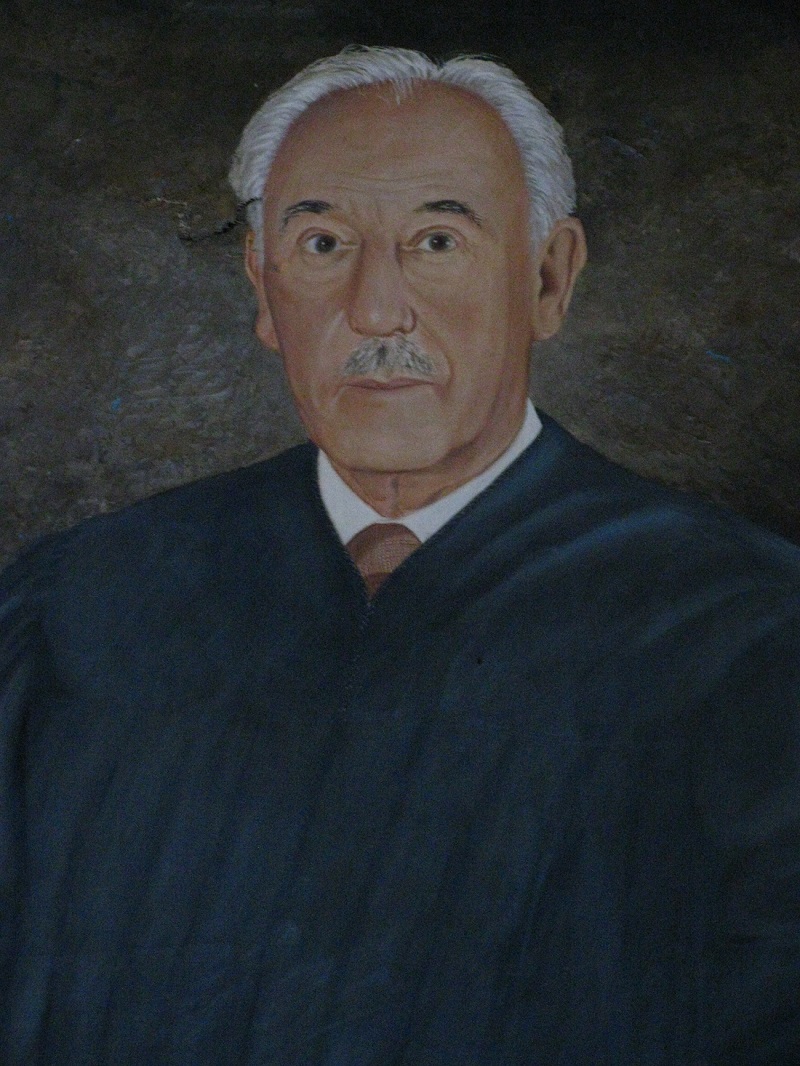
Carlton Francis McNally was born in 1886 in Oakdale MA. He moved with his family to St. Paul in 1902. Young Carlton worked for his father, a meat dealer until he was 18. He became interested in law at this time, and became a stenographer with the hope that it might help him get work in a law office. He was working in the law offices of O’Brien, Young, and Stone, where he continued his employment even after he enrolled in the St. Paul College of Law in 1907. He completed his legal education in 1910, and married Katherine McCann the following year. He then entered into his own law partnership with M.J. Doherty in 1912, which he continued until his was appointment as Corporation Counsel in 1920. From there he was appointed to the Ramsey County District bench in 1925.

Judge McNally served a total of 34 years on the District bench. He was cited in the 1948 Minnesota Supreme Court case of Anderson v. City of St. Paul, et al (226 Minn.186) as the Judge in the District Court case from which Appellant sought to overturn a St. Paul Ordinance prohibiting women from working as bartenders. McNally also served a lengthy stint as juvenile judge, continuing even after he became the senior judge in 1949. In this capacity he dedicated much effort to making juvenile court what he called “corrective…rather than punitive.” McNally’s colleagues elected him the chief judge in 1957.

A fit and active man, Judge McNally was known for making the daily 2-mile walk between his home and the Courthouse. He estimated in 1953 that he had trod roughly 50,000 miles over 42 years, with walks to Prescott (WI) Stillwater, Hastings, and White Bear Lake. Judge McNally retired from the bench in 1959. Judge and Mrs. McNally took a 6-week Caribbean cruise in 1962. Returning, they stopped in St. Louis to visit their son. That was where the Judge suffered a heart attack and died shortly thereafter at the age of 76.


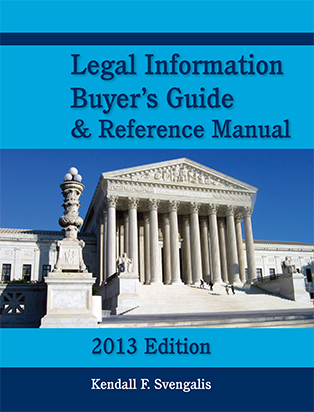
If it’s a small or solo practice, most likely it does not. If this is the case, you might at least want to consider purchasing the Legal Information Buyer’s Guide & Reference Manual (2013 ed.). New England LawPress publishes this book “…to address the needs of the solo practitioner and the attorney in the small or medium-sized law firm operating without a law librarian.” (p. 5)

This 857 page resource contains extensive history of the legal publishing industry, with the publishers’ developments and mergers noted along the way. It also explains what the most bare-bones law office needs for its core collection of legal information, and how best to evaluate the extras. Guidance is provided on managing the time, money and mess of supplementation. It identifies the best authoritative sources in each of numerous legal specialties, as well as the appropriate published codes, court reports and research guides for each state. The book concludes with addresses, phone numbers and websites for publishers and representative prices for used law books.

“When are online services or subscriptions a better deal than the hardcopy versions?” you ask. A chapter on services and pricing of computer-assisted legal research is also provided, with the options going far beyond the market-dominant standbys of Lexis and Westlaw. (Sometimes a very good, and most affordable option is plain old free internet and Google.) Stop by the Law Library if you would like to take a look at this useful reference tool.


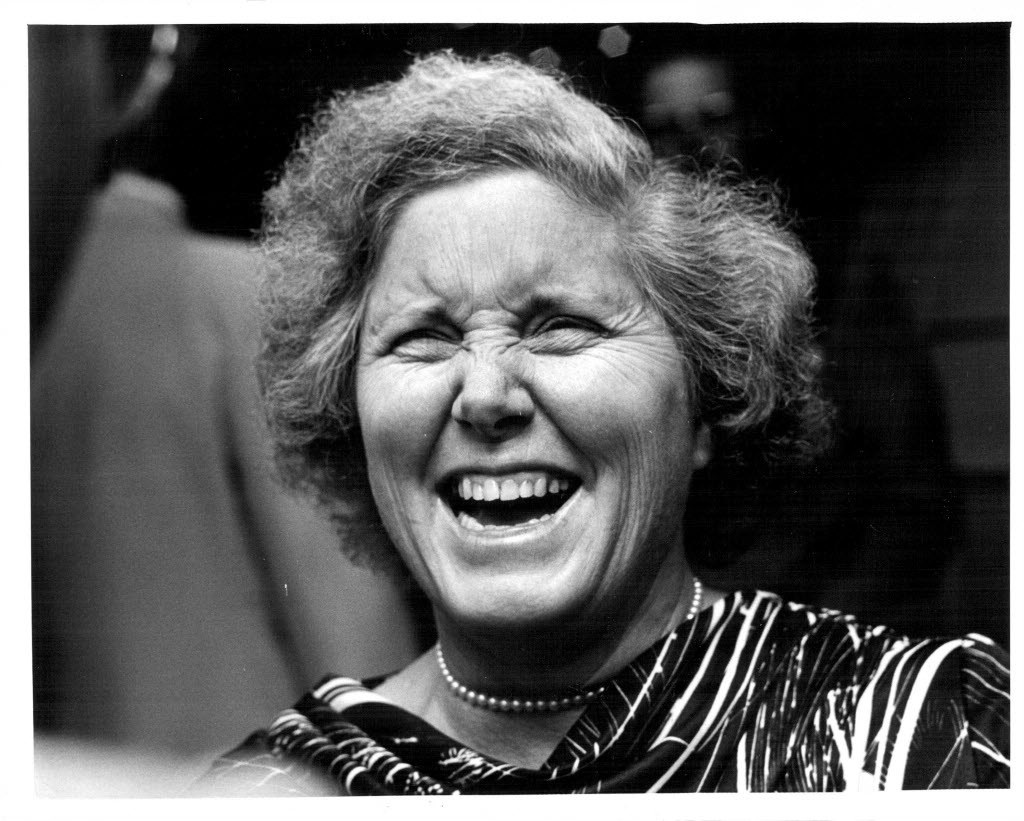
This week marked the passing of former Minnesota Supreme Court Justice Rosalie Wahl. She was appointed to the Minnesota Supreme Court in 1977 by Governor Rudy Perpich and served until 1994 (when she reached the mandatory retirement age of 70).

Her accomplishments are numerable and detailed in this Star Tribune feature. She was the mother of four when she enrolled at the William Mitchell College of Law in 1962 and the mother of five when she graduated in 1965. Her career included work as a public defender, a law professor, and a the pioneers of student-assisted law clinics. See the William Mitchell College of Law Tribute to Justice Wahl, and also read about a documentary film on the life of Justice Rosalie Wahl.

Her earliest history contains a detail of special interest. Wahl was born in 1924 in Gordon, Kansas. Her mother died when she was four years old, and her brother and father were killed before her eyes when she was eight. She was raised by her grandmother through the depths of the Great Depression. Now, according to this map of Butler County, Kansas from the Kansas Department of Transportation, the town of Gordon is less than 10 miles south of Augusta. The town of Augusta is noteworthy, because it became home to 3-year old Madelyn Payne and her family in about 1925. Ms. Payne later married Stanley Dunham, and is best known for being the tough smart grandma that raised President Barack Obama, and a trailblazer in her own right. Given the rural community they grew up in, it is likely that young Rosalie and Madelyn would have crossed paths.

Though this is just an interesting coincidence, Butler County, Kansas can be proud of its historic tradition of tough, smart grandmothers. Of course, grandmothers everywhere can be certain that they have the power to shape young lives for the better.


St. Paul has joined ranks with many other urban communities in becoming home to a large number of dogs in recent years. In addition to companionship, there is no denying a friendly dog’s value as a “social networking device” in a setting where many people congregate. And summer of course is the high season for dog “networking.”

No matter how sweet and affectionate your pooch may be, you and pooch are still bound by Minnesota laws and local ordinances. Many owners are not fully informed of the legal responsibilities that go with dog ownership, and wind up trying to piece together these laws after issues have arisen with their dog rather than being preventively aware beforehand. If you are thinking of getting a dog, or already have a dog(s), you would be prudent to check up on applicable laws. A good place to start would be Minnesota Statute 347 regarding dogs (and cats). Also be aware that you can be charged with a gross misdemeanor for harm caused by your dog. See Minnesota Statute 343 if you think a neighborhood dog is experiencing unlawful cruelty at the hands of its owner. A dog owner is obligated under the law to meet certain dog house standards, for instance.

Your city has a legitimate interest in making sure your dog is properly controlled- see the case of Hansen v. City of St. Paul. Be aware of where you and Rover stand by keeping these St. Paul Ordinances close by. (HINT: Go to Title XX – Animals on the left, then choose Chapter 200.) The City of St. Paul Division of Parks and Recreation has a handy brochure with a quick overview of cleanup and leash laws. St. Paul Animal Control also has much helpful information for your questions.

Of course, dog issues can easily arise in housing court and conciliation court claims. If you are a Ramsey County resident and have such an issue at hand, our Housing and Conciliation Court Clinic  can give you opportunity to discuss your issue with a lawyer right here in the Law Library. (Ulness he is a service dog however, we cannot allow Rover to join you in the Library – sorry.)


Last week we learned that the Affordable Care Act (ACA) would not require compliance from businesses with more than 50 employees until 2015, one year behind the original planned inception. The ACA continues to evolve as the time for its implementation of the ACA draws near, with open enrollment for consumers scheduled to begin on October 1, 2013. Many folks are seeking answers to questions they have as to how this Act applies to them and how they must prepare.

With that said, here is a list of some of the information resources that are available:

Healthcare.gov – This is the federal government sponsored website that provides a user interactive for answering questions and thereby guiding a user through the “open enrollment” process. This interactive site can assemble a “customized check list” based on a user’s answers to questions. Additional help center information is available by phone or by online chat.

Health Reform Minnesota – Our state’s official source for health reform information, Health Reform Minnesota provides answers to frequently asked questions, plus specialized information for certain audiences and situations. This site provides information on general Minnesota policies and regulations as they relate to health, in addition to Minnesota’s role in implementation of the ACA.

MNSure – Organized to oversee Minnesota’s health insurance marketplace, MNSure is billed as “a new central marketplace where Minnesota individuals, families and small employers can get quality, affordable health insurance and access tax credits or assistance to help pay for coverage.” Much like the Minnesota Health Reform website (above), this site provides answers to common questions and directions to resources. Beginning on September 3, MNSure will operate a toll-free 1-800 number call center to answer questions for consumers.

MedlinePlus – A service of the U.S. National Library of Medicine, MedlinePlus provides a huge page of news and information as it relates to health insurance. Numerous links to articles, organizations, and directories on the subject of health insurance are available here.


Supreme Court Recap

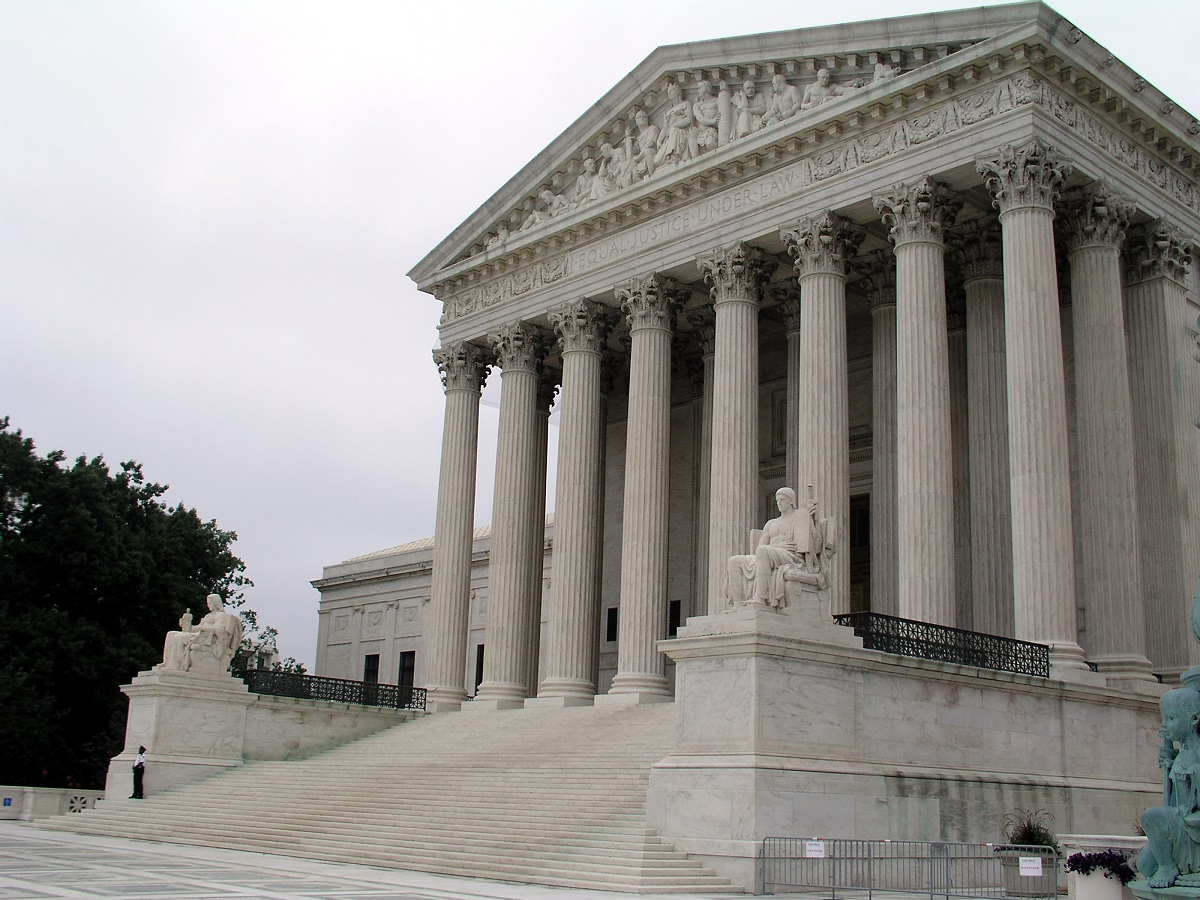
This has been a blockbuster week for anyone who happened to be watching the U.S. Supreme Court. Some of the most newsworthy decisions from our nation’s highest bench feature the following matters:

Gay Marriage: The Court gave legally married gay couples equal federal footing with all other married Americans, and also cleared the way for same-sex marriages to resume in California by restoring a trial court’s declaration that California’s Proposition 8 ban was unconstitutional. Both decisions hinged on scant 5-4 majorities.

Indian Child Welfare Act: In another 5-4 decision, The Court determined that that ICWA doesn’t require that the child at issue be given back to her Cherokee father but it also doesn’t clear her adoptive parents, to immediately regain custody of her. This was the case that was discussed in this blog entry.

Voting Rights Act Requirements: The Court voted 5-4 to strip the government of Section 4 of the Voting Rights Act, which previously required that all or parts of 15 states with a history of discrimination in voting get Washington’s approval before changing the way they hold elections.

Affirmative Action: In an unusual variation from its rather predictable 5-4 voting dynamic, Justice Anthony Kennedy wrote the opinion for the Court’s 7-1 ruling that a court should approve the use of race as a factor in admissions only after it concludes “that no workable race-neutral alternatives would produce the educational benefits of diversity.”

What to conclude from this assortment of decisions? Besides authoring the opinion above, note that Justice Anthony Kennedy voted in the majority of all of these decisions. Can we at least safely conclude that Kennedy is the really our nation’s most powerful person? He certainly was this week.


Incarceration – Some Observations

Some recent news articles have prompted the Law Librarian to think about prisons and incarceration. Image - Jail cellRecently Sesame Street unveiled its incarceration kit, which is designed to help children deal with the anxiety of having a parent incarcerated. No one would oppose tools to assist children going through this difficult event, but this might be little more than a band-aid tool for a serious problem. Incarceration is extremely detrimental to kids, considering that it deprives them of both a parent’s presence and their income stream. The result is often kids going from two-parent to one-parent homes, or from one-parent homes to foster homes. This leads to an overall effect on communities that is devastating. More can be read here.

There is also the sheer government expense that comes from incarceration, not only for the process itself, but for the fact that one cannot be a taxpayer while being a prisoner. (Despite criminal expungement options, this “lost taxpayer” effect can remain a problem even after the prisoner is released.) Government dollars spent on incarceration leaves less money available for projects like transportation, education, healthcare, etc. It’s no wonder that certain GOP leaders are deciding that their previous “get tough” platform is too expensive to be compatible with their principles of limited government and fiscal conservatism. Of course, government prison contracts are a major industry and revenue source in some communities.

The Law Librarian understands that some people are unfortunately dangerous, and that public safety may require locking them away. Yet this begs the deeper questions of whether such people were simply “born that way” or slipped through cracks of our social fiber somehow. Judges nowadays also have less leeway in sentencing, given the emergence of legislative constraints such sentencing guidelines and statutory sentencing mandates. To what extent are these forces in effect because of some psychological need we have to see “wrongdoers” punished or vilified? (Hint: Go to the Pioneer Press or Star Tribune and pick out a crime news story and then read the comments field entries – the vindictive tone is unmistakable.) Despite any emotional satisfaction it might bring us, incarceration is certainly the most costly and least effective way to address real social problems.